More Than a Will
WHY THIS MATTERS
More Than What Happens
to Your Stuff
Most couples think estate planning is really about one question: who gets what after we’re both gone. And yes, that matters. But it’s not where I start, because there’s another question that can become much more important much sooner.
What happens if one of you is still here, but suddenly can’t manage things on your own?
That is the heart of the More Than a Will framework. I look at estate planning as something that has to work not only at the end of life, but all the way through it. It should help protect you while you’re living, support the surviving spouse if one of you dies first, and make sure your legal documents, financial accounts, insurance, long-term care planning, and tax decisions all work together.
If there’s a fall, a stroke, a serious diagnosis, or a period of long-term care, who steps in? Who knows what you wanted for your care? Who can speak with the doctors, the hospital, the pharmacy, or a care facility on your behalf? Who knows whether there’s a long-term care policy, where it is, and how to access it? Who can make sure the mortgage gets paid, the utilities stay on, the accounts remain accessible, and the household keeps running?
That’s where a good estate plan really begins. It shouldn’t only tell people what to do after you die. It should make sure the right person can step in while you’re still very much alive, with clear authority and enough information to carry out your wishes.
Because that in-between period is where families can get stuck. A well-built plan should make those moments calmer, clearer, and easier for everyone involved, including you. It should give you confidence that your wishes are known, your care can be handled the way you intended, and the people stepping in for you have what they need to help without having to guess.

A Plan That Protects
the Survivor
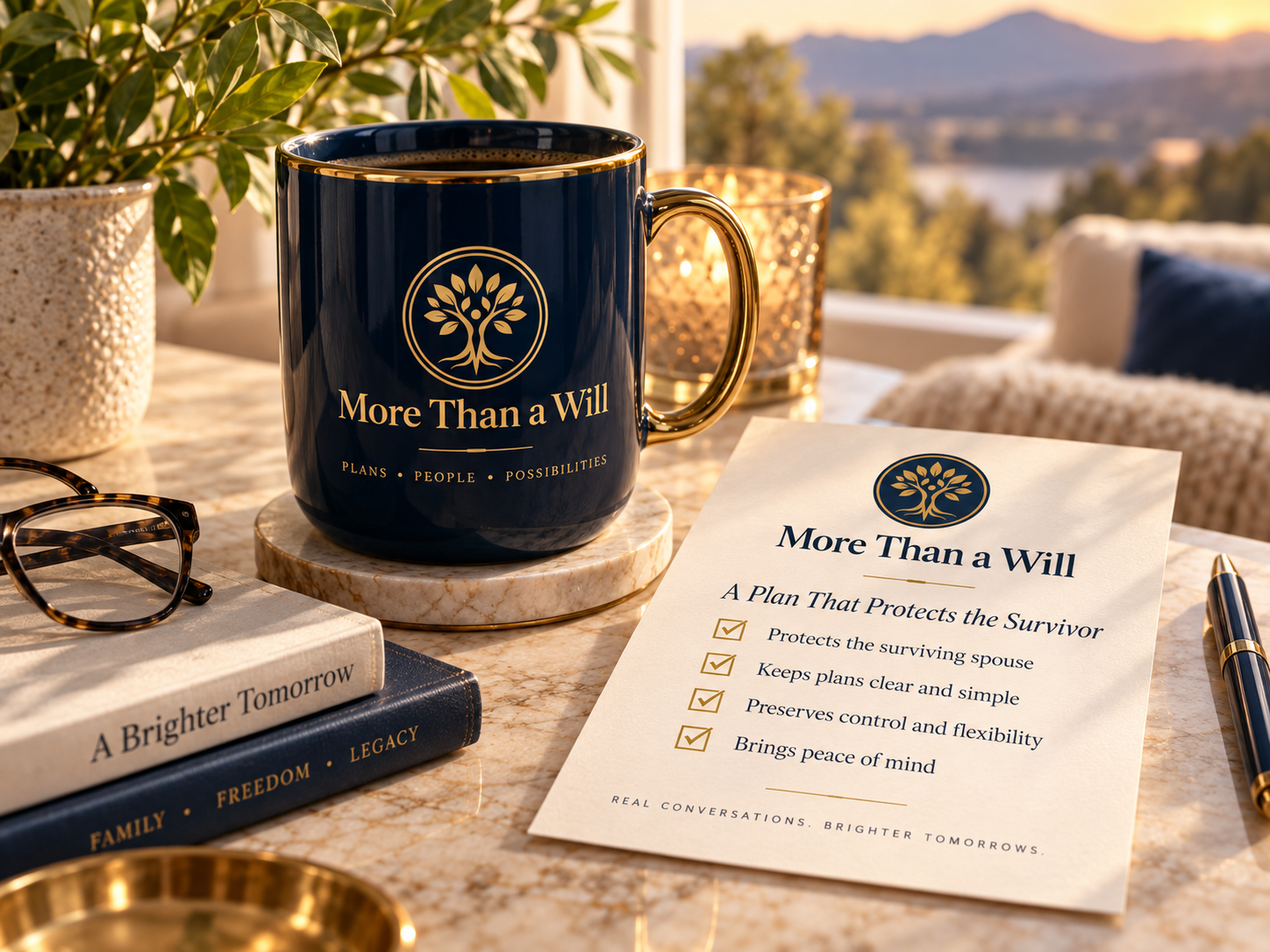
When couples plan together, it’s natural to think about what happens someday, after both of you are gone. But a good estate plan has to do much more than that. It has to work during your lifetime, especially if one of you becomes ill, incapacitated, or passes away before the other.
For many couples, the wife will ultimately be the surviving spouse. That means she may one day be the person managing the household, the finances, the trust, and all the decisions that once belonged to both of you, often at the same time she is grieving. A thoughtful plan should anticipate that possibility and make life easier for the person left behind, not harder.
That is why a trust should not simply explain what happens to the children or grandchildren after the second spouse dies. It should first protect the surviving spouse, preserve her flexibility, and make sure she has the access, authority, and resources she needs to continue living confidently.
The goal is simple: before we talk about what eventually passes to the next generation, we make sure the surviving spouse is taken care of first.
That is one of the most important conversations we walk through with couples using the More Than a Will framework.

Where Your Estate Plan
Meets Your Money
Having a beautifully drafted trust does not necessarily mean your estate plan is complete.
The documents are one part of the plan. Your bank accounts, retirement accounts, investments, insurance policies, beneficiary designations, and tax strategy are another. And those pieces have to work together.
This is where many couples start asking questions that don’t fit neatly into a traditional estate-planning meeting.
Which accounts should actually be titled in the trust, and which ones should stay outside of it?
Should your IRA or 401(k) name your spouse, your children, or your trust as beneficiary? Those choices can have very different tax consequences, particularly with retirement accounts.
What happens when your children inherit a large traditional IRA during some of their highest-earning years? Could that inheritance create a much larger taxable event than you expected?
And if your own tax rate is relatively low today, should you be looking at strategies that intentionally pay some of those taxes during your lifetime, such as Roth conversions, rather than leaving a large tax-deferred account for the next generation?
Then there are the other questions: Who owns the life insurance? Are the beneficiaries still correct? Does the long-term care plan fit with the assets you’re trying to protect? Are there estate or inheritance taxes to consider based on where you live, what you own, or where your beneficiaries live?
These are not simply legal questions, and they are not simply investment questions. They sit right at the intersection of your estate plan, your retirement plan, your taxes, your insurance, and your family.
That is the conversation I believe couples need to have.
The More Than a Will framework is about making sure the documents and the money tell the same story.
Prefer to Walk Through This in Person?
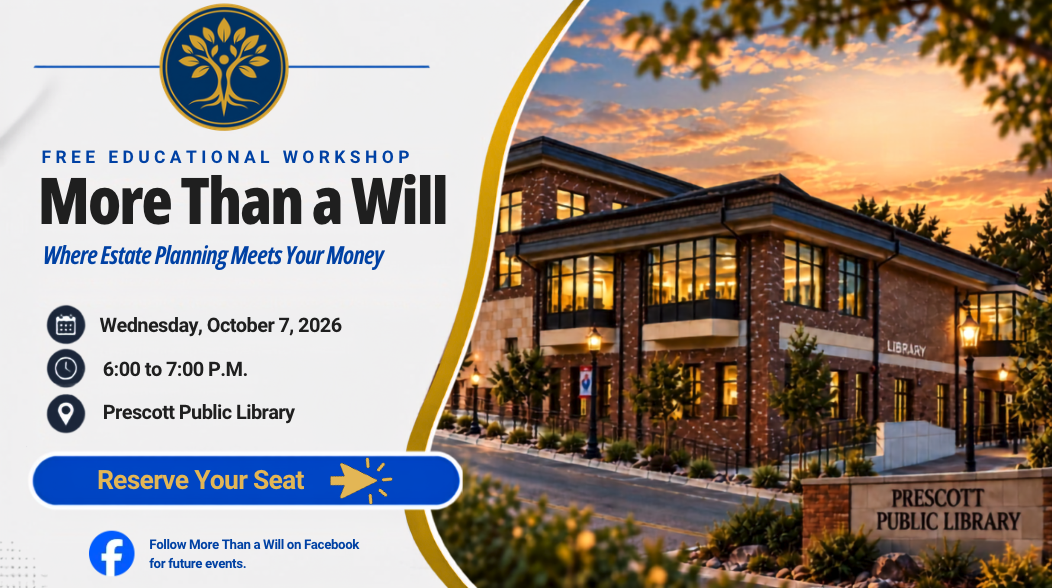
Join me for the next More Than a Will live workshop, where we bring the estate plan, the money, the survivor, the taxes, and the long-term care conversation together in plain English.
No pressure. No sales pitch. Just a practical conversation designed to help you see where your plan is strong, where the gaps may be, and what questions are worth asking next.
Can’t make this one? Follow More Than a Will on EventBrite for upcoming workshops and event updates.

How Well Does Your Plan Really Work?
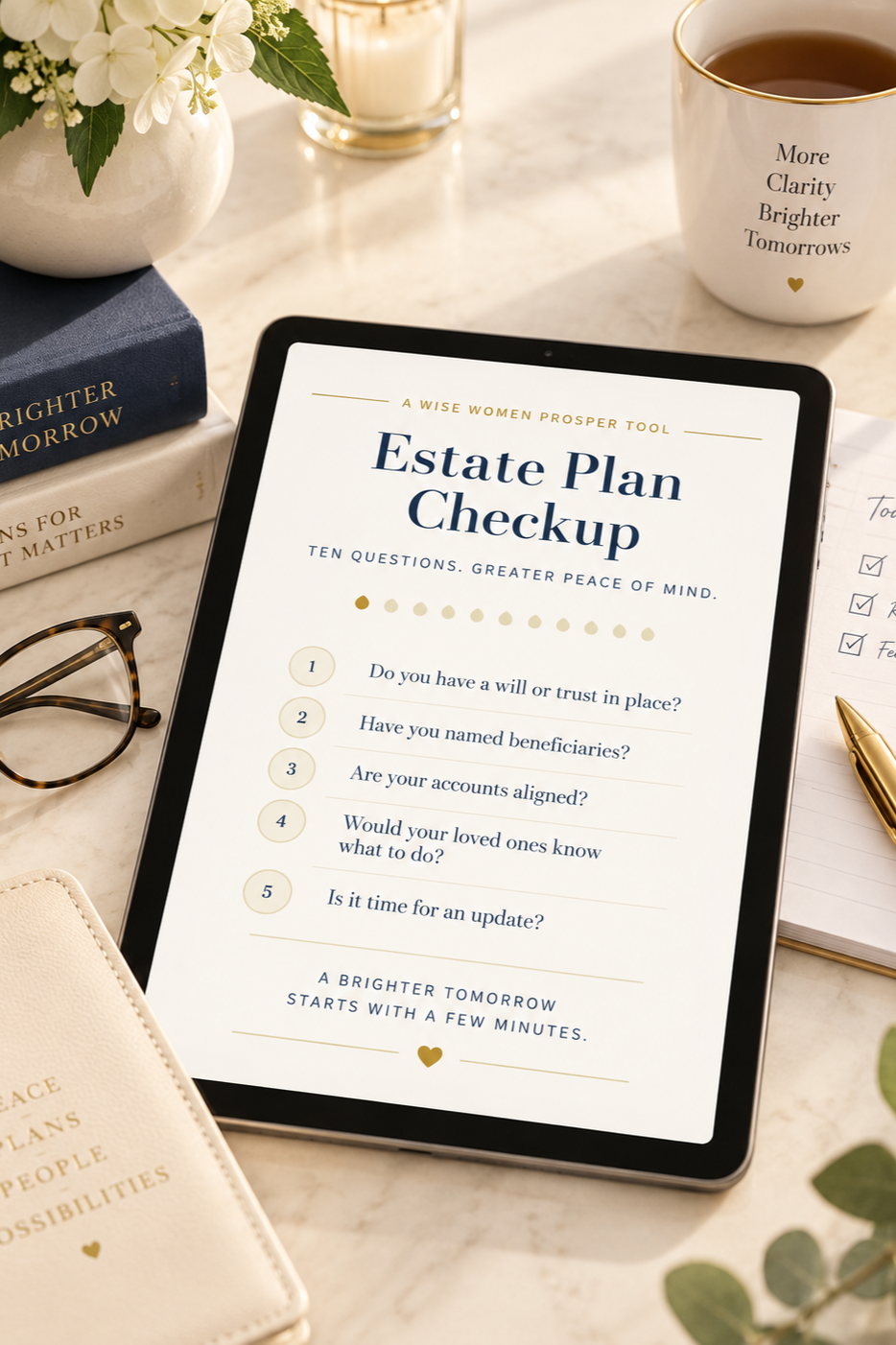
You’ve seen how much more an estate plan needs to do than simply say who gets what. Now take two minutes and see how well the pieces of your own plan work together.
Is Your Estate Plan
Actually Complete?
Two minutes. Ten questions. A plain-language read on what's solid and what's worth a second look.
This tool is educational only, nothing is sold here. Veronica Aguilera is a licensed insurance professional, not an attorney or a CPA, so where a question calls for one of them, she'll say so.